

Continuous inkjet (CIJ)
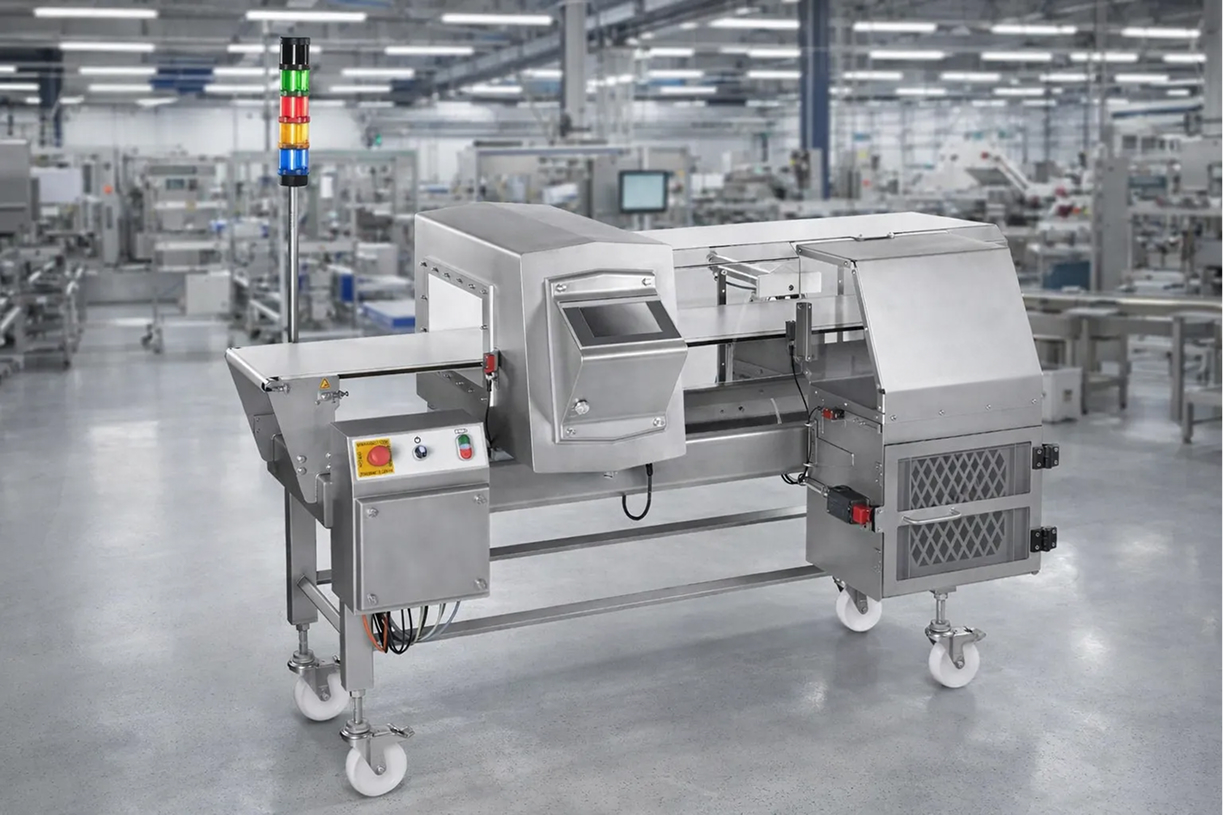
A continuous inkjet printer pumps ink through a nozzle to create a steady stream of tiny drops. Drops that are needed for the code are electrically charged and deflected onto the product; the rest are collected and returned to the ink system. Because the print head never touches the product, CIJ can code onto curved, uneven or moving surfaces at high speed.
CIJ is a common choice for bottles, cans, cartons, cables, pipes and other rigid items. With the right ink it can print on glass, metal, plastic and cardboard.
Thermal transfer overprinting (TTO)
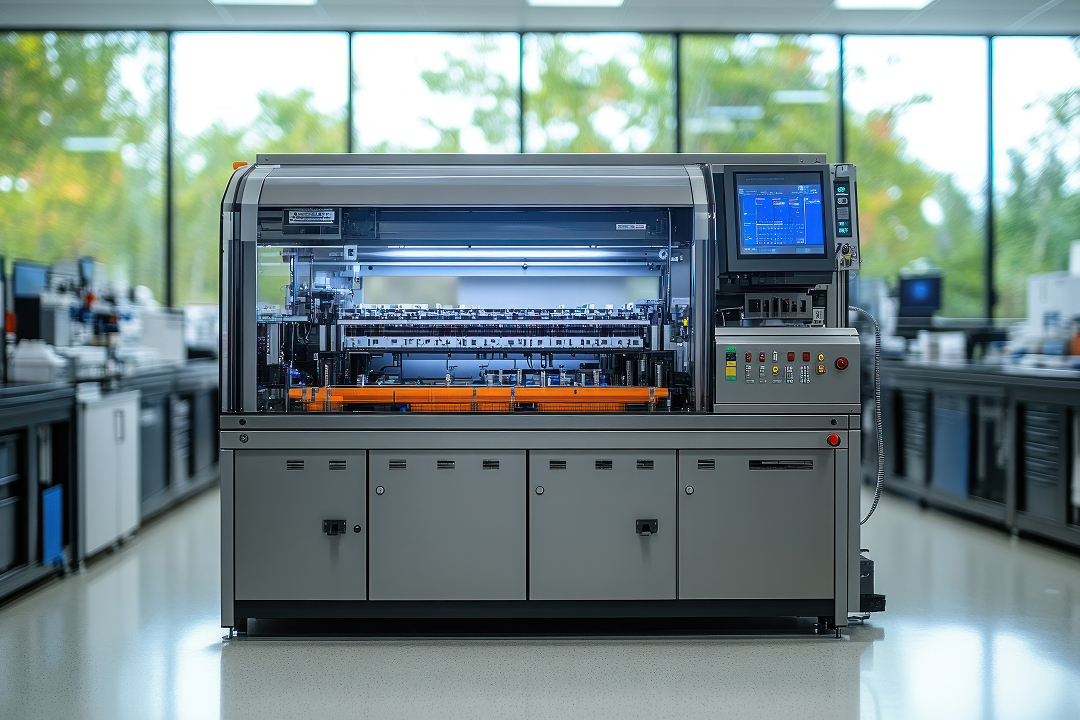
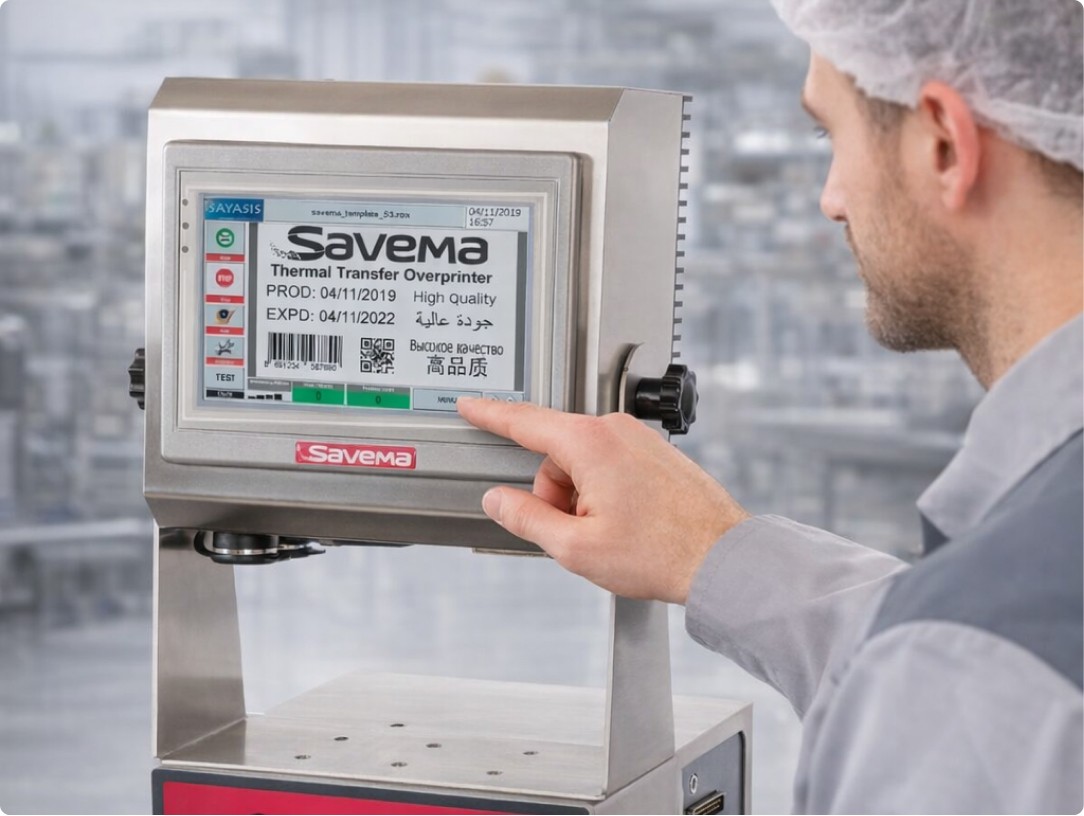
A thermal transfer overprinter uses a heated print head to melt ink from a ribbon directly onto flexible packaging film or labels. The result is a sharp, high-resolution print that can include text, logos and barcodes. TTO units are usually mounted on flow wrappers, vertical form-fill-seal machines and labelling equipment.
How to decide
- Substrate: flexible film and labels favour TTO; rigid or curved products favour CIJ.
- Print content: if you need detailed graphics or scannable barcodes on film, TTO is usually the better fit.
- Line type: continuous high-speed conveyors suit CIJ, while intermittent packaging machines suit TTO, although continuous-motion TTO models are also available.
- Consumables: CIJ uses ink and make-up fluid; TTO uses ribbons, with no solvent handling.
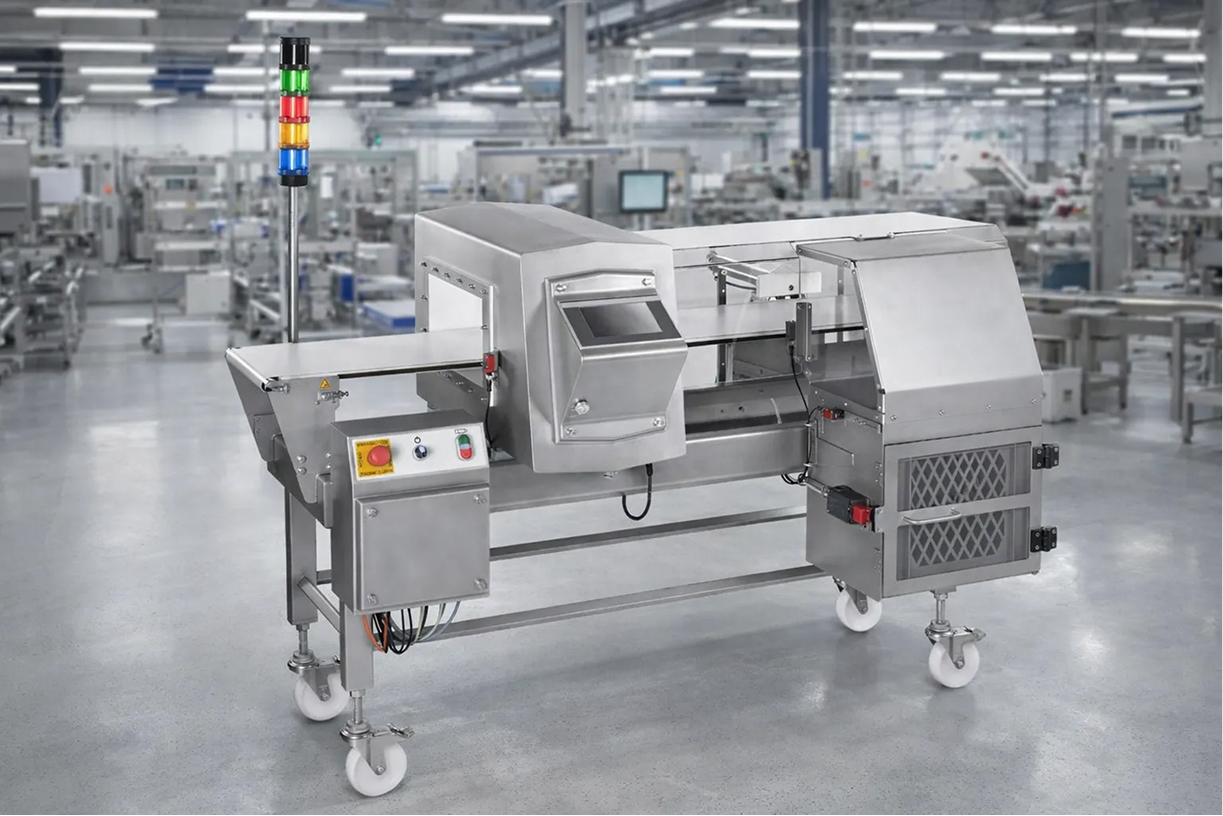
Many factories use both: TTO on the primary film pack and CIJ or a large character printer on the outer case. We can review your packaging and recommend a combination that fits.